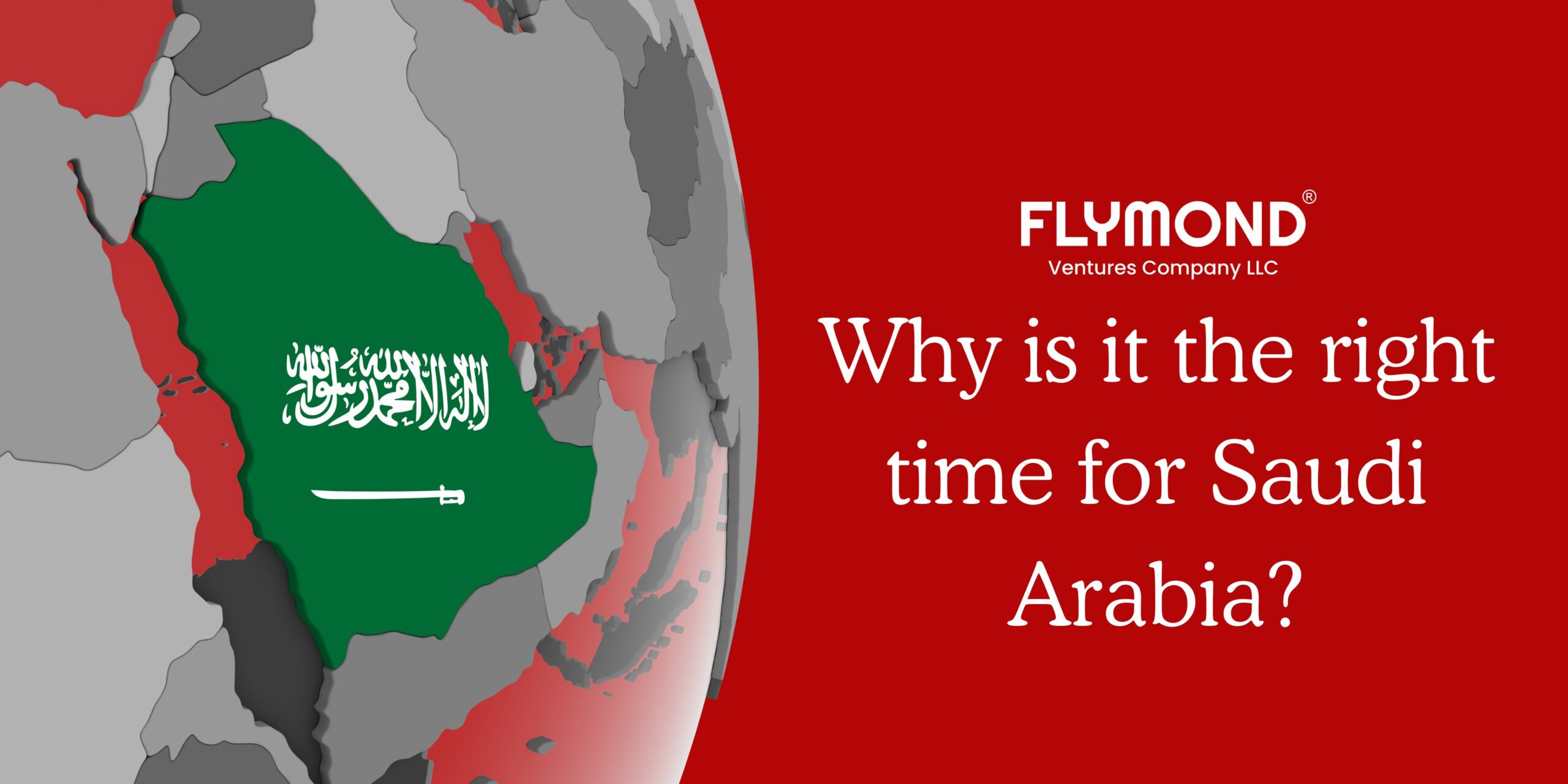
Why Setting Up a Business in Saudi Arabia Makes Sense Right Now?
Saudi Arabia is going through one of the most significant economic transformations in the world today. What was once known primarily as an oil-based economy is rapidly evolving into a diversified, investment-friendly global business hub.
This transformation is driven by a long-term national strategy called Vision 2030. More importantly, it is already producing measurable results — not just promises.
For entrepreneurs, startups, SMEs, and international companies, this moment matters.
Vision 2030: Turning Policy Into Execution
Vision 2030 was launched to reduce Saudi Arabia’s dependence on oil and strengthen private sector participation. Since its launch, the government has focused heavily on:
• Economic diversification
• Attracting foreign investment
• Encouraging entrepreneurship
• Creating jobs through private enterprises
According to official data, non-oil activities now contribute over 50% of Saudi Arabia’s GDP, a major shift compared to the past. This clearly shows that business growth is no longer limited to oil and energy.
Economic Strength Backed by Real Numbers
Saudi Arabia has the largest economy in the Middle East and is one of the most financially stable countries globally.
Key figures that matter to business owners:
• GDP: Over USD 1 trillion
• G20 member economy
• Population: Around 36 million
• Nearly 70% of the population is under 35, creating a strong consumer and workforce base
• High disposable income and purchasing power
Despite global economic uncertainty, Saudi Arabia continues to invest billions into infrastructure, urban development, healthcare, tourism, and technology.
For businesses, this means consistent demand creation across multiple sectors.
Foreign Investment Is Actively Encouraged
One of the most important changes under Vision 2030 is how Saudi Arabia welcomes foreign businesses.
Today:
• 100% foreign ownership is allowed in most business activities
• No mandatory local sponsor for many sectors
• Streamlined licensing and digital company registration
• Improved transparency in regulations
As a result, foreign direct investment (FDI) inflows crossed USD 30 billion in recent years, a strong indicator of growing international confidence.
Saudi Arabia is no longer a closed market — it is a competitive one that wants global participation.
Strategic Location With Global Reach
Saudi Arabia’s geographic position gives businesses natural access to Asia, Europe, and Africa.
From a logistics and expansion point of view:
• Access to markets covering over 2 billion consumers
• Major ports on the Red Sea and Arabian Gulf
• Growing logistics hubs and special economic zones
• Massive investment in airports, railways, and transport corridors
For companies in trading, logistics, manufacturing, or services, Saudi Arabia can act as a regional headquarters, not just a single-market operation.
Government Support That Goes Beyond Policy
Saudi Arabia is not just opening doors — it is actively supporting businesses.
Some examples include:
• Funding programs for startups and SMEs
• Incentives for technology, manufacturing, and innovation-driven companies
• Strong focus on women-led and youth-led enterprises
• Sector-specific incentives through special economic zones
The private sector’s contribution to GDP is targeted to reach 65% under Vision 2030, which explains the strong push to support entrepreneurs and investors.
High-Growth Sectors Creating Immediate Opportunities
Vision 2030 has clearly identified priority sectors, many of which are still under-served:
• Tourism and hospitality
• Construction and real estate
• Healthcare and medical services
• Education and professional training
• IT, software, and digital services
• Renewable energy
• Logistics and supply chain
• Entertainment and events
Tourism alone is expected to attract 100+ million visitors annually by 2030, contributing over 10% to GDP. This creates opportunities not just for hotels, but also for consultants, service providers, tech companies, marketing agencies, and support businesses.
A Growing Market, Not a Saturated One
Unlike mature global markets where competition is intense and margins are thin, Saudi Arabia is still in its growth phase.
Many industries are expanding faster than supply. Consumer behavior is evolving, and new business models are being adopted rapidly.
Businesses entering now benefit from:
• Early brand positioning
• Better partnership opportunities
• Lower market saturation
• Ability to scale alongside economic growth
This early-entry advantage will not last forever.
Transparency and Reality: What Businesses Should Know
It is important to be realistic.
Saudi Arabia is still evolving. Processes require proper planning, compliance, and understanding of local regulations and culture. Some approvals take time, and expert guidance is strongly recommended.
However, the direction is clear. Each year, systems are becoming more digital, rules more transparent, and timelines more predictable.
For well-prepared businesses, the environment is manageable and improving.
Why Timing Matters More Than Ever
Opportunities are strongest when a market is transforming — not when it has already matured.
Saudi Arabia today is:
• Investing heavily
• Opening its economy to global players
• Building new industries from the ground up
• Offering incentives that will reduce over time
Five to ten years from now, entry will still be possible — but competition, costs, and barriers will be significantly higher.
Final Thought
Saudi Arabia’s transformation under Vision 2030 is already visible in economic data, infrastructure growth, and foreign investment trends.
For businesses seeking expansion, diversification, or long-term growth, **Saudi Arabia offers a rare combination of scale, stability, government backing, and future vision.
The opportunity is genuine.
And right now, the timing is right.